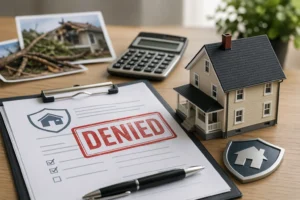

You opened the claim. You waited. And you expected relief. Instead, you got a number that doesn’t even come close.
If that sounds familiar, you’re not alone—and you absolutely have the right to dispute a lowball insurance settlement. In fact, you should. Insurance companies often start low. It’s part of the process. But here’s the part they don’t emphasize: the first offer is rarely the final one.
I’ve seen it again and again. Homeowners accept less than they deserve simply because they don’t know how to push back. Not aggressively. Not emotionally. Strategically.
This guide walks you through exactly how to dispute a lowball insurance settlement with clarity, leverage, and confidence—so you can move from frustration to a fair payout.
What Is a Lowball Insurance Settlement?
A lowball settlement is exactly what it sounds like—an offer that undervalues your claim. It may look official. It may even seem detailed. But underneath, it falls short.
Here’s how to spot one quickly:
- The estimate doesn’t cover full repair or replacement costs
- Key damage areas are missing entirely
- Pricing feels outdated or unrealistically low
- Depreciation is aggressively applied
Sometimes it’s subtle. Other times, it’s obvious. Either way, recognizing it early gives you leverage.
Because once you identify that you’re dealing with a low offer, you can begin to dispute a lowball insurance settlement with purpose—not guesswork.
Why Insurance Companies Make Low Offers
Let’s be direct. Insurance companies are businesses. Their goal is to manage risk and control payouts. That doesn’t mean they’re acting unfairly—but it does mean their incentives are different from yours.
A few common reasons behind low offers:
- Limited inspections: Adjusters may not spend enough time evaluating all damage
- Standardized pricing tools: These don’t always reflect real local costs
- Missed hidden damage: Especially common in roof, water, and structural claims
- High claim volume: Faster reviews can lead to incomplete scopes
And here’s the key takeaway: the initial offer is often a starting point, not a conclusion.
Step-by-Step: How to Dispute a Lowball Insurance Settlement
Step 1: Review the Settlement Offer in Detail
Start here. Slow down. Read everything.
Break the estimate into parts:
- Materials
- Labor
- Quantities
- Scope of work
Look for what’s missing. Compare it to what you actually see in your home. If the numbers don’t align with reality, that’s your first signal.
Don’t skim this step. This is where your case begins.
Step 2: Gather Strong Evidence
If you want to successfully dispute a lowball insurance settlement, evidence is everything.
Build your file:
- Clear photos of all damage (wide + close-up)
- Videos showing context and severity
- Receipts for damaged items or prior upgrades
- Maintenance records if available
The goal is simple—make your claim undeniable.
Step 3: Get Independent Estimates
This is where things get real.
Bring in professionals who can provide accurate, detailed estimates. Not rough guesses. Not ballpark numbers. Real scopes.
Look for:
- Licensed contractors
- Specialists (roofing, plumbing, structural)
- Detailed line-by-line breakdowns
When your numbers differ significantly from the insurer’s, you now have leverage.
Step 4: Write a Formal Dispute Letter
Now you respond. Clearly. Professionally. Firmly.
Your letter should include:
- Claim number and policy details
- Specific items you disagree with
- Supporting documentation (photos, estimates)
- A request for reconsideration
Tone matters here. Stay calm. Stay factual. Avoid emotion. You’re building credibility.
Step 5: Request a Re-Inspection
Sometimes the best way to dispute a lowball insurance settlement is to get another set of eyes on the damage.
Before the re-inspection:
- Organize your documentation
- Highlight missed areas
- Have your contractor present if possible
Walk the adjuster through everything. Don’t assume they’ll notice what was missed the first time.
Step 6: Negotiate Strategically
This is where many people hesitate. Don’t.
Negotiation isn’t confrontation—it’s clarification.
- Present your evidence
- Ask direct questions
- Request justification for discrepancies
And most importantly, don’t accept the first revision if it still falls short.
Documentation That Strengthens Your Case
Strong documentation separates successful claims from stalled ones. Here’s what matters most:
| Evidence Type | Why It Matters |
| Photos & Videos | Provides visual proof of damage |
| Contractor Estimates | Reflects real market pricing |
| Receipts | Confirms value of lost or damaged items |
| Expert Reports | Adds technical credibility |
| Claim Timeline | Shows progression and urgency |
The more organized your file, the harder it is to dismiss your claim.
Common Mistakes to Avoid
Even strong claims can fall apart with a few missteps. Watch for these:
- Accepting the first offer without review
- Failing to document thoroughly
- Missing response deadlines
- Starting repairs too early
- Communicating emotionally instead of strategically
These mistakes cost money. Sometimes a lot of it.
When to Hire a Public Adjuster or Expert
There comes a point where handling everything yourself may not be the best move.
Consider hiring a public adjuster if:
- The claim is large or complex
- The offer remains low after dispute
- You feel overwhelmed or unsure
A public adjuster works for you—not the insurance company.
They:
- Re-evaluate your damage
- Build a stronger claim
- Negotiate directly with the insurer
In many cases, their involvement significantly increases the final payout.
Legal Options if the Dispute Fails
If you’ve done everything right and still hit resistance, you have options.
- File a complaint with your state insurance department
- Request appraisal (if your policy allows it)
- Identify potential bad faith practices
- Consult an attorney for high-value claims
This step isn’t always necessary—but it’s important to know it exists.
How Long the Dispute Process Takes
Let’s set expectations. This isn’t instant.
Typical timelines vary:
- Simple disputes: a few weeks
- Moderate claims: 1–3 months
- Complex cases: several months or more
Factors that affect timing:
- Quality of documentation
- Responsiveness of the insurer
- Complexity of the damage
Patience matters. But persistence matters more.
Tips to Maximize Your Final Settlement
If your goal is to fully dispute a lowball insurance settlement and win, focus on these:
- Stay organized from day one
- Keep all communication in writing
- Follow up consistently
- Document everything—again and again
- Understand your policy coverage
This process rewards preparation. Every detail counts.
Real-World Example
Let’s make this practical.
A homeowner receives a $9,500 settlement for roof damage. It feels low. Because it is.
They decide to dispute a lowball insurance settlement:
- Hire a contractor for a second estimate: $18,200
- Document additional damage missed in the original inspection
- Submit a formal dispute with supporting evidence
- Request re-inspection
Final result? Revised settlement: $16,700.
That’s not luck. That’s process.
Conclusion
A low settlement offer isn’t the end of your claim. It’s the beginning of a negotiation.
When you know how to dispute a lowball insurance settlement, everything changes. You move from passive to proactive. From uncertain to in control.
And yes—it takes effort. It takes patience. But it works.
Because the difference between a low offer and a fair one often comes down to one thing: whether you choose to challenge it.
So don’t settle. Push back. Document everything. Stay focused.
You deserve a settlement that reflects the real value of your loss.
FAQs
It means formally challenging an insurance offer that undervalues your claim using evidence and documentation.
Yes, you can continue negotiating as long as you provide new evidence or identify gaps in the insurer’s estimate.
Deadlines vary by policy and state, but it’s best to act immediately to avoid missing important time limits.
The most effective approach is combining strong documentation, independent estimates, and a clear written dispute.
No, the first offer is often a starting point and should be reviewed carefully before accepting.
Not always; many disputes can be handled independently, but legal help may be useful for large or complex claims.
Yes, public adjusters often identify missed damages and negotiate higher payouts on your behalf.
You can escalate by requesting appraisal, filing a complaint, or seeking legal advice if necessary.
Yes, it may extend the timeline, but it often results in a significantly higher settlement.
You’ll need photos, contractor estimates, receipts, and any reports that support the full value of your claim.